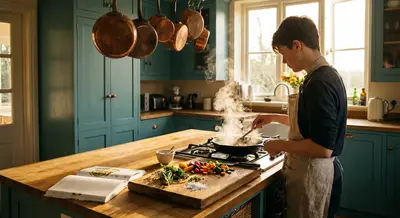
Unlocking Everyday Flavor: Kitchen Habits That Change Your Cooking
Some kitchens feel “lucky” — everything that comes out of them just tastes better. It’s not magic, and it’s definitely not only about fancy equipment. It’s about tiny, repeatable habits that make your food more flavorful, your cooking smoother, and your time in the kitchen way more fun.
Let’s turn your kitchen into that kind of place: where simple ingredients explode with flavor, and even weeknight meals feel a little bit special.
Build Flavor From the Very First Step (Not the Last)
Most home cooks try to “fix” flavor at the end with salt, sauces, or cheese. The real secret? Build layers of flavor from the very beginning.
Here’s how to make every step count:
Start with aromatic foundations
Before anything else hits the pan, add a little oil and gently cook aromatics like onion, garlic, ginger, scallions, celery, or carrots. This base (often called a mirepoix, sofrito, or simply “the flavor start”) becomes the backbone of your dish.Use medium heat and patience
Let onions go from sharp and white to soft, translucent, and just starting to turn golden. Stir occasionally, not constantly. This slow softening draws out sweetness instead of burning the edges.Toast your spices, don’t just sprinkle them
If you’re using dry spices (cumin, coriander, paprika, curry powder, chili flakes), add them to the pan before liquids and toast them for 30–60 seconds. You’ll smell them suddenly “wake up.” That’s flavor being unlocked.Bloom tomato paste for richer depth
Making soups, stews, or sauces? Push your veggies to the side, add a spoonful of tomato paste to the bare pan, and cook it until it darkens slightly. This removes raw acidity and adds incredible richness.Layer salt, don’t dump it at the end
Add a small pinch of salt at each stage — on the onions, on the proteins, in the sauce. This lets flavors develop fully instead of tasting flat or aggressively salty at the finish line.
These steps turn same-old ingredients into deep, restaurant-level flavor without any complicated techniques.
Make Heat Work For You (So Your Food Browns, Not Steams)
Heat is the difference between a pale, soggy dinner and something wildly delicious. You don’t need to be a chef — you just need to understand how your pan and stove behave.
Try these heat-smart habits:
Preheat your pan properly
Add your empty pan to the burner and heat it for 1–2 minutes, then add oil, then food. A quick test: flick a drop of water in — it should sizzle and evaporate quickly. Now your food can actually brown.Dry your ingredients first
Pat proteins and veggies dry with a paper towel. Surface moisture = steam. Dry surfaces = beautiful browning and better texture.Don’t overcrowd the pan
If your ingredients are packed tightly together, they steam in their own juices instead of searing. It’s better to cook in two batches than accept grey, soggy everything.Let food sit before flipping
Whether it’s chicken, tofu, mushrooms, or steak, let it sear undisturbed for a couple of minutes. When a crust forms, it will naturally release from the pan. If it’s sticking badly, it probably needs more time.Adjust heat as you go
If your garlic is burning or your onions are getting too dark, don’t power through. Turn the heat down, move the pan off the burner for a moment, or add a splash of water to cool things off.
Once you master heat, even basic vegetables suddenly transform into crave-worthy sides.
Turn Simple Ingredients Into “Whoa” Meals With Smart Pairings
You don’t need dozens of ingredients to cook exciting food. You just need strategic flavor combinations that always work.
Here are some easy pairings that instantly upgrade everyday cooking:
Bright + creamy
- Add lemon juice + zest to creamy pasta, risotto, or mashed potatoes
- Finish soups with a squeeze of lime and a spoonful of yogurt or sour cream
The acidity wakes everything up so the richness doesn’t feel heavy.
Sweet + salty
- Roast carrots or sweet potatoes with salt, olive oil, and a drizzle of honey or maple syrup
- Top salty cheeses (feta, halloumi, blue cheese) with fruit, fig jam, or roasted grapes
This contrast makes every bite more interesting and balanced.
Herby + garlicky
Keep a simple herb mix ready:- Finely chop parsley, cilantro, or basil
- Mix with minced garlic, lemon juice, and olive oil
Spoon this over chicken, fish, roasted veggies, or grain bowls for instant freshness.
Crunch + soft
- Top creamy soups with toasted nuts, croutons, or crispy chickpeas
- Sprinkle toasted seeds (pumpkin, sunflower, sesame) over salads, pastas, and stews
Texture contrast makes food feel professionally composed, even when it’s simple.
Umami boosts
If a dish tastes “fine but boring,” add a small splash of:- Soy sauce or tamari
- Fish sauce (a little goes a LONG way)
- Miso paste (whisk into a bit of warm liquid)
- Grated Parmesan
These ingredients are flavor amplifiers — use them in tiny amounts and taste as you go.
Season Like a Pro: Taste in Stages, Not Just at the End
Perfect seasoning isn’t about one magical amount of salt; it’s about tasting, adjusting, and balancing.
Try this simple seasoning routine:
Salt early, especially for proteins
- Salt chicken, pork, tofu, and even eggplant 10–30 minutes before cooking
- This helps the salt penetrate, improves texture, and deepens flavor from the inside
Build flavor with tasting checkpoints
Taste your dish at these key moments:- After your aromatics soften
- After you add liquids (broth, tomatoes, coconut milk, etc.)
- A few minutes before serving
Each time, ask: Does this need salt? Acidity? Heat? Richness? and adjust.
Use acid to “finish” flavor
If a dish is dull, resist the urge to just add more salt. First try:- A squeeze of lemon or lime
- A splash of vinegar (red wine, apple cider, rice vinegar)
- A spoon of yogurt for creamy dishes
You’ll be shocked how often this is the missing piece.
Balance heat and sweetness
- If a dish is too spicy, add a bit of dairy, nut butter, coconut milk, or a touch of sugar/honey
- If it’s too sweet, add a pinch of salt, lemon juice, or vinegar
Balancing, not masking, is the way to save “almost there” food.
This tasting mindset turns you from recipe-follower into confident cook, because you start trusting your own palate.
Prep Like a Chef: Small Moves That Make Cooking Relaxed (Not Chaotic)
The difference between “fun cooking” and “frantic cooking” is surprisingly simple: prep before heat.
Adopt these prep habits:
Read the recipe all the way through
Scan once top to bottom before you start. Notice cooking times, any marinating, resting, or chilling. This prevents last-minute panic when you realize something needed 30 minutes of marinating.Do a mini mise en place
You don’t need picture-perfect little bowls for everything, but do this:- Chop all veggies
- Measure spices into one small bowl in order of use
- Set out any canned goods, broths, or condiments
Now when you turn on the stove, you’re ready to cook, not juggle.
Use a “scraps bowl” as you work
Keep a small bowl nearby for onion peels, herb stems, and packaging. This keeps your cutting board clear and your space calm (and makes it easier to save veggie scraps for stock).Clean as you go
While something simmers or bakes:- Load a few dishes into the dishwasher
- Wipe counters
- Rinse knives and cutting boards
You’ll finish cooking with food ready and a kitchen that isn’t destroyed.
Double up on useful tasks
- Chopping an onion? Chop two and refrigerate one in an airtight container for tomorrow.
- Cooking rice? Make extra for fried rice or grain bowls the next day.
These tiny “batch efforts” make future meals shockingly quick.
Easy Flavor Upgrades You Can Use Tonight
Let’s put everything together with a few quick, flexible ideas you can adapt to what you have:
Roasted “Anything” Tray
- Toss chopped veggies (broccoli, carrots, potatoes, cauliflower, Brussels sprouts, peppers) with olive oil, salt, pepper, and a pinch of garlic powder or smoked paprika.
- Roast at 425°F (220°C) until browned at the edges.
- Finish with lemon juice + grated Parmesan or tahini + lemon + chili flakes.
Now you have a side dish, salad topper, or grain bowl base.
Pan-Sauce Magic for Chicken, Pork, or Tofu
- Sear your protein in a hot pan, then remove it.
- In the same pan, sauté garlic or shallot for 30 seconds.
- Add a splash of wine, broth, or water and scrape up the browned bits.
- Stir in a spoonful of mustard, miso, or butter, plus a squeeze of lemon.
- Pour over your protein.
Instant “fancy” dinner from everyday ingredients.
Herb-and-Crunch Finisher
- Chop any fresh herbs you have (parsley, cilantro, basil, dill, mint).
- Mix with olive oil, lemon juice, a pinch of salt, and something crunchy (toasted nuts, seeds, or breadcrumbs).
- Spoon over roasted veggies, grilled meats, eggs, soups, and sandwiches.
It turns leftovers and basics into something that tastes designed.
Conclusion
Everyday cooking doesn’t have to mean boring food, long hours, or complicated recipes. When you focus on flavor-building habits — heating your pan properly, browning instead of steaming, seasoning in layers, balancing with acidity, and prepping smartly — even simple ingredients turn into meals you’re genuinely excited to eat.
You don’t need to change everything you cook. Just start changing how you cook: toast your spices, squeeze that lemon, give your onions time, and taste as you go. Your kitchen will start to feel less like a chore and more like your favorite place to play with flavor.
Sources
- USDA Food Safety: Cooking Temperatures and Tips - Official guidelines on safe cooking temperatures and handling, useful when working with meats and poultry
- Harvard T.H. Chan School of Public Health – The Nutrition Source: Herbs and Spices - Overview of how herbs and spices contribute to flavor and health
- Serious Eats – The Science of Browning (Maillard Reaction) - Explains why proper heat and browning create deeper, more complex flavors
- America’s Test Kitchen – How to Season Food - Practical breakdown of salting, tasting, and balancing flavors in home cooking
- BBC Good Food – How to Roast Vegetables - Step-by-step guidance for achieving well-browned, flavorful roasted vegetables