Flavor-First Healthy Cooking: Turn Everyday Meals Into Craveable Plates
Healthy meals should make you hungry just thinking about them. At EatNux, we’re all about food that feels like a treat and treats your body well. This guide will walk you through practical, step-by-step ways to build satisfying, nutrient-packed meals that are bursting with flavor—not diet vibes.
Build a “Flavor Blueprint” Before You Start Cooking
Before you even turn on the stove, think in terms of a flavor blueprint instead of a strict recipe. Start by choosing your “anchors”: a protein, a fiber-rich carb, and at least one colorful vegetable. Then layer on flavor with acid (like lemon or vinegar), fat (like olive oil or avocado), and something aromatic (garlic, onion, spices, or herbs).
Imagine a bowl built like this: grilled chicken (protein), roasted sweet potatoes (carb), blistered green beans (veg), a drizzle of garlicky yogurt sauce (fat + tang), and a shower of chopped cilantro (freshness). You can swap any piece—chickpeas instead of chicken, brown rice instead of sweet potatoes—and still keep the structure. This blueprint keeps your meals balanced, prevents you from relying on heavy cream and cheese for flavor, and makes it much easier to “freestyle” healthy cooking on busy weeknights.
Make Vegetables the Star, Not the Side
To make healthy eating effortless, flip the usual script: plan your meal around vegetables instead of adding them as an afterthought. Start by choosing a vegetable you actually like, then decide how to make it irresistible—roasted, charred, marinated, or turned into a sauce.
For example, turn a whole head of cauliflower into the main event. Cut into thick “steaks,” brush with olive oil, sprinkle with smoked paprika, garlic powder, and salt, then roast at high heat until crispy on the edges and tender inside. Serve over a bed of garlicky lentils or quinoa with a squeeze of lemon. The vegetable becomes the star, and everything else supports it. This mindset makes your plate naturally colorful, fiber-rich, and full of textures, which helps keep you full and excited about what’s on your fork.
Season Like a Chef: Salt, Acid, Heat, and Freshness
Healthy food often tastes “meh” not because it is healthy, but because it’s under-seasoned. Focus on four elements: salt, acid, heat, and freshness. Salt enhances flavor (used properly, not excessively), acid brightens, heat adds depth, and freshness makes everything pop.
Start by seasoning your food in layers. Salt your protein lightly before cooking to penetrate and tenderize. While it cooks, plan your finishing touches: a squeeze of citrus or a splash of vinegar at the end of cooking can transform bland vegetables or grains. Add gentle heat with chili flakes, chipotle powder, or fresh jalapeño, adjusting to your spice comfort zone. Finish with something fresh—chopped herbs, sliced green onion, or even a handful of arugula. This approach means you can keep sauces lighter and still have meals that taste bold, complete, and genuinely exciting.
Master One-Pan and Sheet-Pan Meals That Don’t Taste “Diet”
One-pan and sheet-pan meals are your best friends for healthy, low-stress cooking—but only if you build in layers of flavor and texture. Start with a base of hardy veggies that roast well: carrots, broccoli, Brussels sprouts, bell peppers, red onion, or zucchini. Toss them with olive oil, salt, pepper, and one main seasoning profile: say, cumin + smoked paprika for a warm, earthy vibe, or oregano + garlic powder for a Mediterranean angle.
Add your protein right on top: chicken thighs, salmon fillets, tofu cubes, or chickpeas. Roast at 400–425°F (200–220°C), shaking the pan halfway through for even browning. When everything is cooked, finish with something bright and cold: a quick yogurt-lemon sauce, a spoonful of salsa, or a simple mix of chopped tomatoes, cucumber, and herbs. This hot + cold contrast makes the dish feel restaurant-level and keeps sheet-pan meals from tasting monotone.
Turn Simple Proteins Into Craveable Centerpieces
Lean proteins can feel dry or boring if you don’t show them some love. Focus on two game changers: marinating and gentle cooking. For chicken breast, fish, tofu, or tempeh, think in quick marinades: an acid (lemon juice, lime, vinegar), an oil (olive or avocado), salt, a flavor base (garlic, ginger, mustard, or chili), and one or two spices. Even 20–30 minutes makes a difference.
Cook with the “just done” rule in mind. For chicken, use a thermometer if you can and pull it at 165°F (74°C). For salmon, aim for slightly opaque and flaky, not dry and chalky. For tofu, press out excess moisture, marinate, then sear in a skillet until golden on all sides. Finish your proteins with a glaze or topping instead of extra butter: think balsamic reduction, a spoonful of chimichurri, or a sprinkle of toasted nuts and seeds. These finishing touches add healthy fats, crunch, and complexity without weighing the meal down.
Make Whole Grains and Legumes the Flavor Base, Not Just “Health Add-Ons”
Whole grains and legumes are incredible for lasting energy and fullness, but they truly shine when you treat them like flavor sponges. Instead of cooking quinoa, farro, or brown rice in plain water, use low-sodium broth, add a bay leaf, or throw in a piece of smashed garlic. For lentils or chickpeas, simmer with onion, carrot, and a bit of tomato paste to build a savory backbone.
Once cooked, dress your grains and legumes like a salad. While they’re still warm, toss with olive oil, lemon juice or vinegar, salt, pepper, and chopped fresh herbs. Then combine them with roasted vegetables and your protein of choice to build instant bowls. For example, a base of lemony quinoa + roasted carrots and broccoli + spiced chickpeas + a dollop of tahini sauce turns inexpensive pantry staples into a bowl you’ll actually crave again tomorrow.
Layer Textures and Temperatures for Satisfying Healthy Bowls
A healthy bowl that makes you want seconds isn’t just about nutrients—it’s about contrast. Aim for at least three textures and two temperatures on every plate or in every bowl. Start with something hearty and warm (like sautéed greens, roasted vegetables, or a whole grain), then add something creamy (yogurt, hummus, avocado), something crunchy (toasted seeds, nuts, shredded cabbage, or crisp lettuce), and something juicy (tomatoes, citrus segments, or cucumber).
Temperature matters too. A handful of crisp, cold lettuce under warm roasted sweet potatoes and chickpeas creates the kind of bite that keeps you interested. A cold, tangy sauce drizzled over hot, smoky vegetables instantly makes a bowl feel more gourmet. When your brain gets variety, your healthy meals feel indulgent and emotionally satisfying—not like a box you’re checking.
Smart Shortcuts and Prep Habits That Make Healthy Eating Automatic
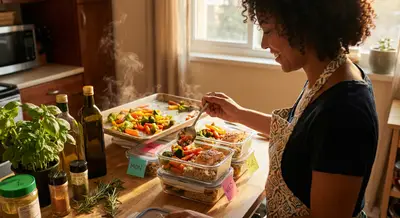
Healthy meals become your default when you remove friction. That starts with smart prep, not full-blown meal-prep marathons. Pick one or two base components each week and batch-cook them: a tray of roasted vegetables and a pot of grains, or a big container of marinated beans/chickpeas. Store them separately in clear containers so you can see your options when you open the fridge.
Next, prep flavor boosters in small amounts: a jar of homemade vinaigrette, a quick cilantro-lime yogurt sauce, or a simple garlic-chili oil. These take minutes and instantly upgrade basics like grilled chicken or steamed veggies. Keep a “healthy flavor pantry” stocked with canned beans, frozen vegetables, canned tomatoes, whole grains, olives, nuts, and spices. When these are always on hand, it’s just as easy to make a vibrant veggie-packed skillet as it is to order takeout—and a lot more satisfying.
Conclusion
Healthy meals don’t have to whisper; they can absolutely roar with flavor. When you build around a smart blueprint, treat vegetables like stars, layer salt, acid, heat, and freshness, and lean on grains and legumes as flavor bases, you transform everyday cooking into something you look forward to. With a few simple prep habits and texture-rich combinations, your kitchen becomes a place where “healthy” and “craveable” finally mean the same thing.
Sources
- Harvard T.H. Chan School of Public Health – The Nutrition Source: Healthy Eating Plate - Explains balanced meal building with vegetables, whole grains, and healthy proteins
- U.S. Department of Agriculture – MyPlate - Official guidelines on constructing balanced, nutrient-dense meals
- Mayo Clinic – Mediterranean Diet: A Heart-Healthy Eating Plan - Details benefits and core components of a flavor-forward, healthy eating pattern
- Cleveland Clinic – Why Whole Grains Are Good for You - Reviews the health advantages of including whole grains in everyday meals
- American Heart Association – Cooking for Lower Sodium - Offers practical tips on using seasonings and acids to boost flavor while keeping salt in check